Research

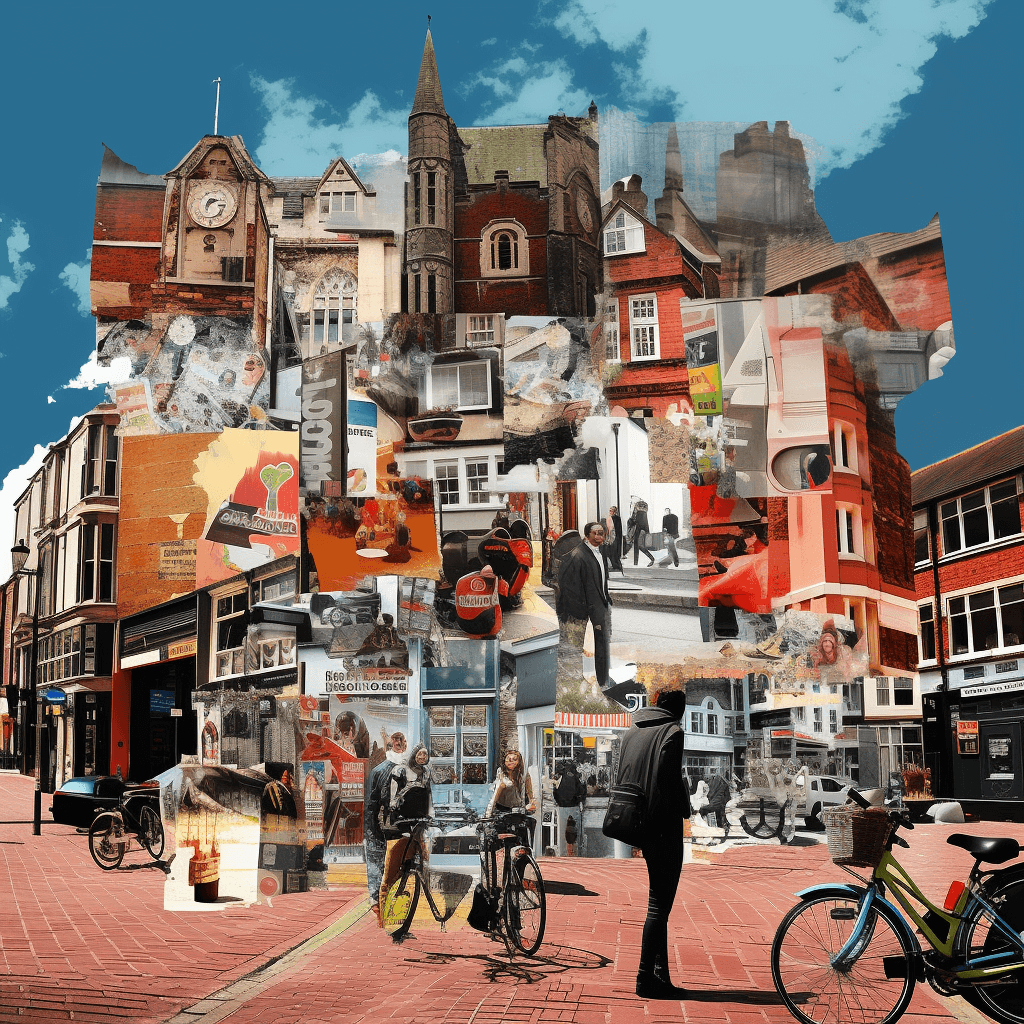
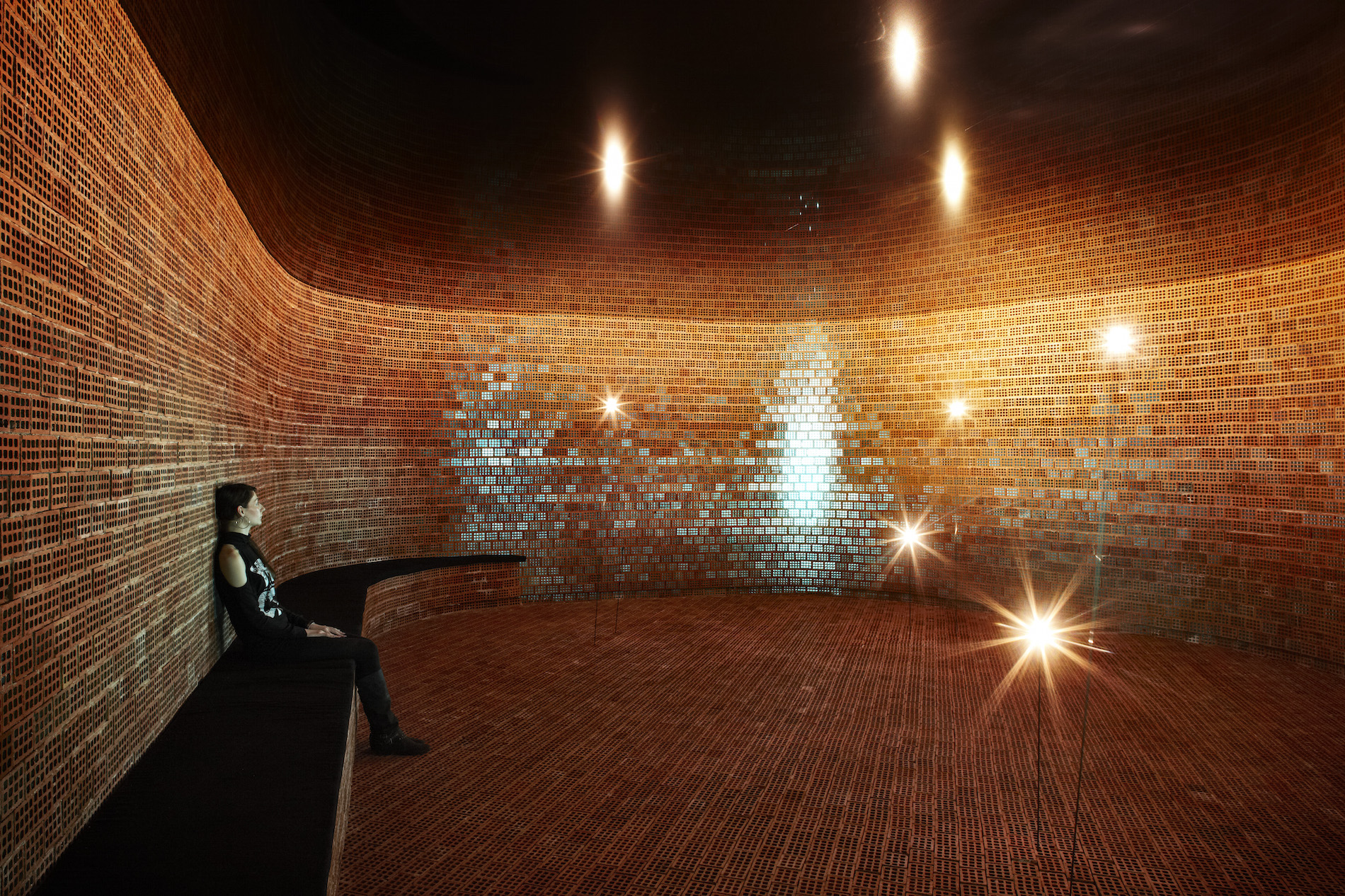
A fundamental consideration of our research is to discover novel ways of communication between humans, media technology, and the built environment. Based on current research in media art technology and architectural studies, we experiment in the creation of intuitive digital systems and interfaces that define new spaces of inhabitancy, entertainment, and performance. We occupy physical spaces for a great number of reasons, and it seems important for us to understand how these spaces are able to transform the quality of our lives, how they can have a direct impact on our energy levels, and how they can control our overall well being. 

A multiplicity of cues such as geographical data, environmental characteristics, spatial arrangement, color and sonic textures, haptic sensations, and so on, are able to shape our experience, memory and perception in specific deterministic ways and to help us make sense of this world (or not). These properties of a space form an extremely complex combination for us to accurately adjust and contextualize according to our needs, or to define specific concepts or ideas that are universally accepted and immediately understood. Our research focuses in finding new ways with digital media to adjust the built environment according to the needs of the user/inhabitant and create an interactive communication that exhibits aesthetic, technological, artistic, and intellectual properties.

plinthos640x200

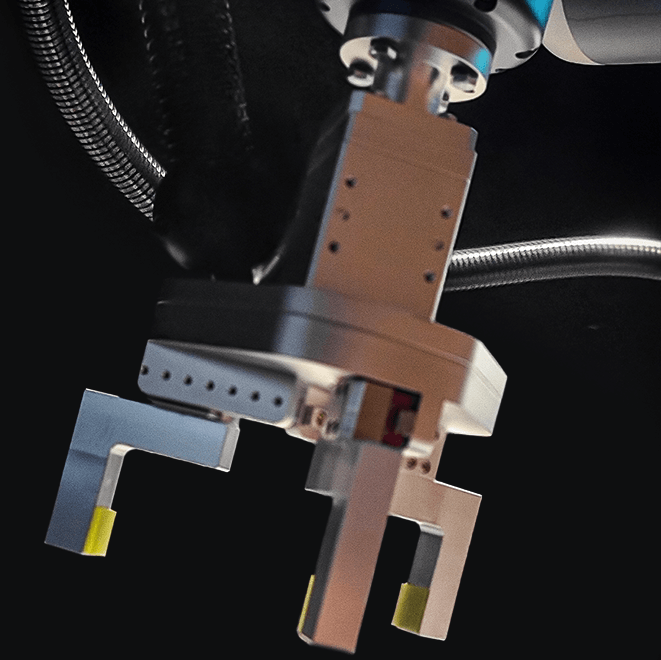
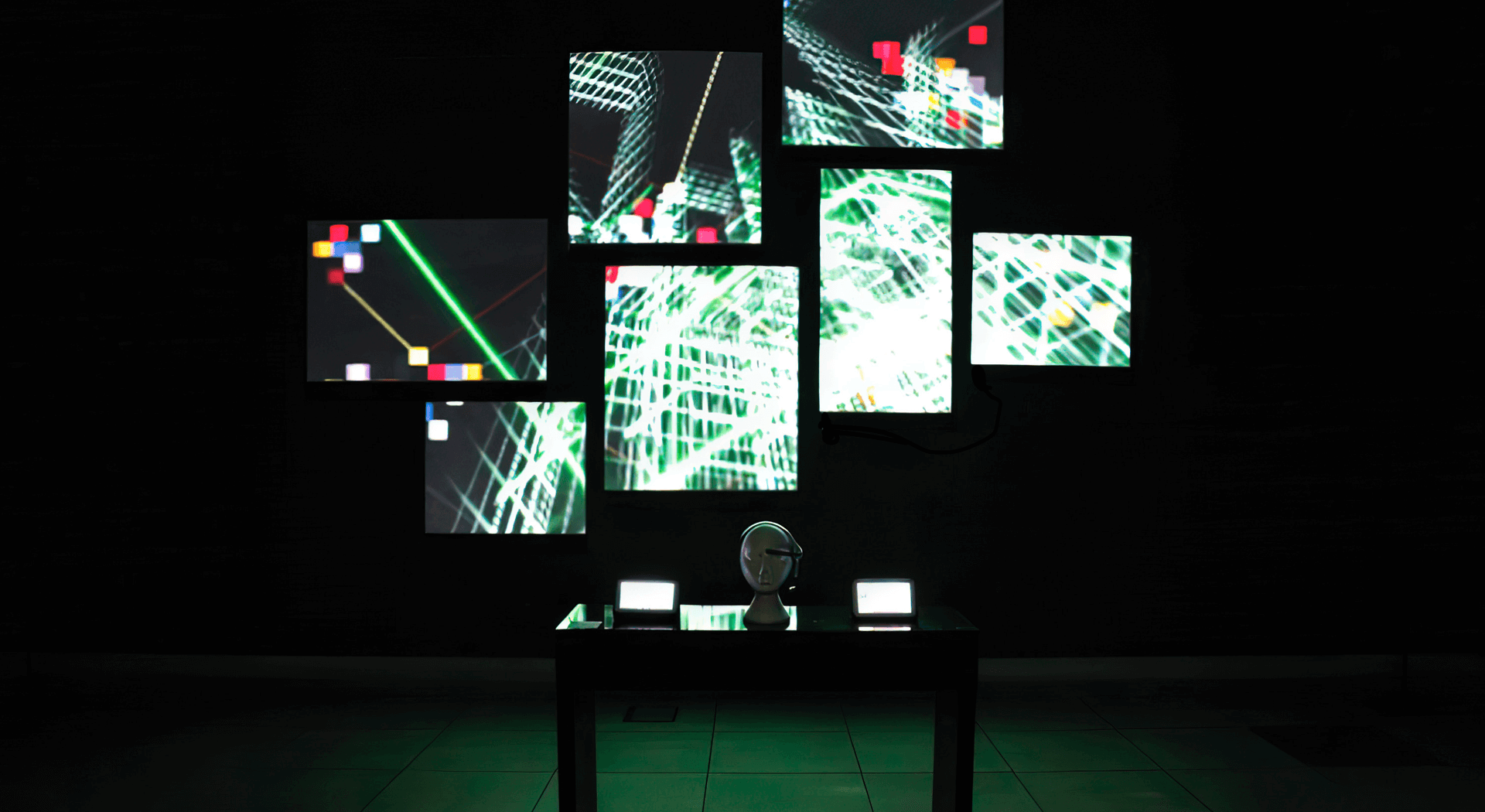
Recent trends in sensor technology suggest new methods of understanding the physical conditions of an environment, and based on specific algorithms and digital processes to be able to control software or hardware systems and devices. As such, physical computing opens up a whole new world to the development of new concepts of hybridization between real and virtual spaces. For example, photometric sensors are able to measure the intensity of the light condition that exist in a space. By connecting this sensor to a processing unit that analyses the incoming values, we can control automatically the light dimmer values so that we do not have to worry anymore about the configuration of the light conditions of our interior space. Such a reactive system is pretty straightforward and easy to materialize. But what happens when we want to automate aesthetic processes that are based on abstract events such as the human psyche?

Many different branches of art and science try to understand these abstract aesthetic events that relate to psycho-physiological human processes, and although many secrets have been unlocked, there are quite many interesting areas that we have not been able to analyze and contextualize yet. It has been proven from many studies that an important factor for a residential space is to be close to a natural setting, to have a plethora of access to sunlight, and to forbid vibrations of noise or other non wanted sounds. Subjects have noted that during these experiments they had less stress, better physical condition, and greater levels of energy. In some cases, specific spaces can act therapeutically to psychologically or physiologically wοunded subjects - in fact the father of medicine Asclepius had suggested that hospitals should always be built outside the cities near hills with forests, or near beaches and that the patient rooms had to have a view to a beautiful natural setting. Thus, inhabitants will agree that a space that completes widely accepted conditions as the ones mentioned, is an acceptable space where someone can live properly, and in some cases described as beautiful or aesthetically pleasant.

aliceWonderland640x200

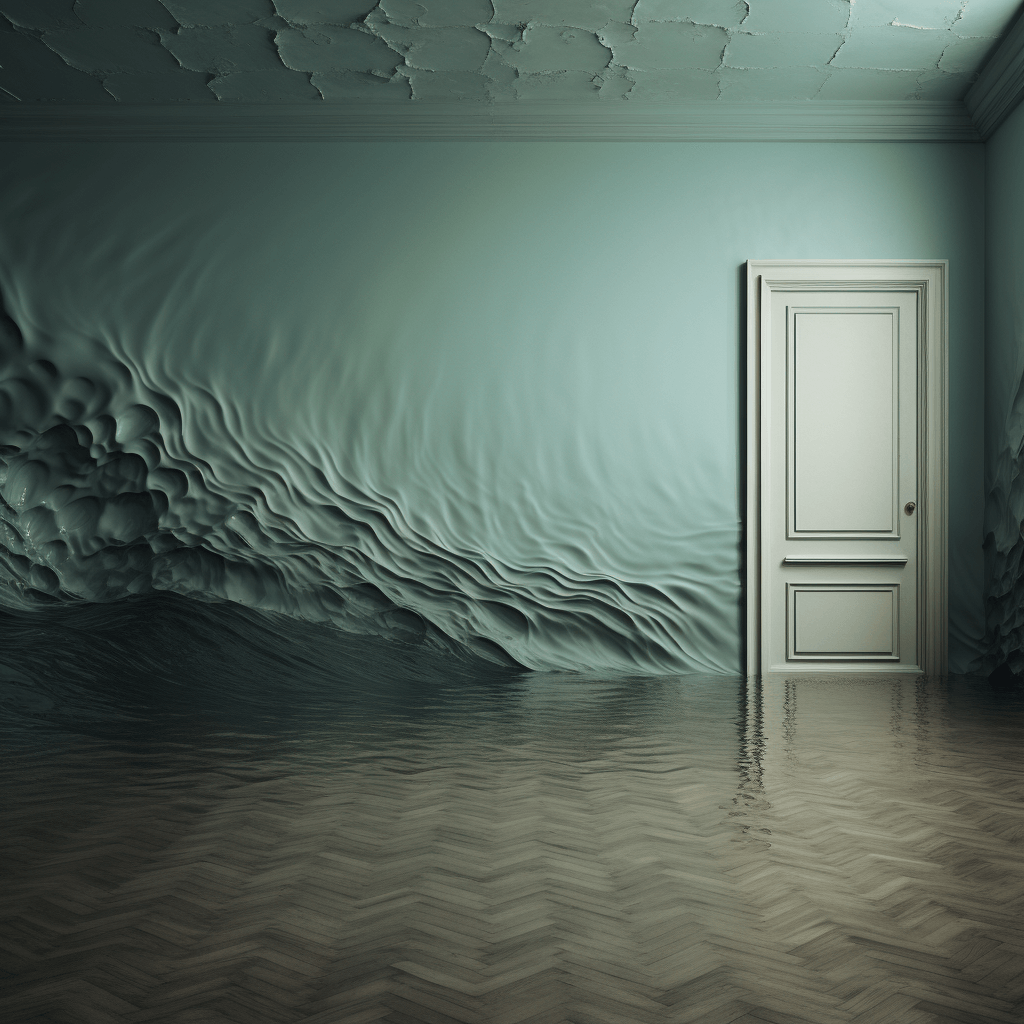
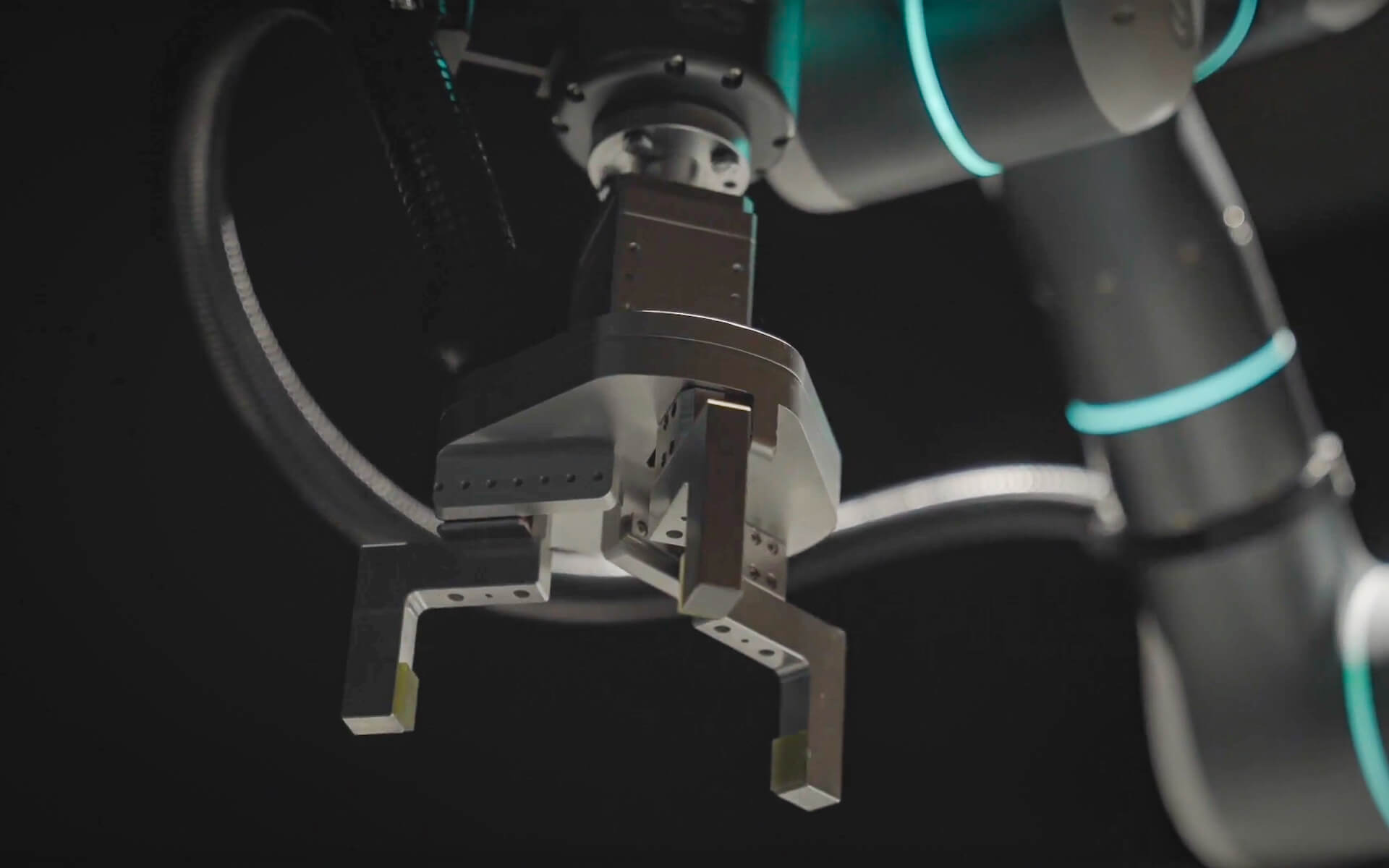
Architecture is generally characterized as a form of art that deals with the spatial arrangement of static structures. Many architects will argue that this motionless property is never going to change and that technology and mechanical units cannot be combined with the third art. However, the impression we have is that technology and architecture need a proper contextualization in order to cooperate harmoniously together, and as in the case of the elevator, architecture can move. Furthermore, architecture can become flexible, interactive, and intelligent and we may find many interesting examples of futuristic spaces even from the 80s with the Tron Smart House by Ken Sakamura, the Aegis Hyposurface by dECOi and Mark Goulthorpe in 1999, or the SlothBot by Mike Phillips in i-DAT. These projects suggest a new way of thinking towards the realization of a trans-disciplinary architecture that is able to mutate, understand and communicate basic concepts and ideas with its visitors or inhabitants. The structure can now be trained to act according to the communication protocols that we set to it, and the space becomes a primitive biological organism with a few dendrites and synapses to make sense of the world around it, as in the case of ADA.

aegis640x200

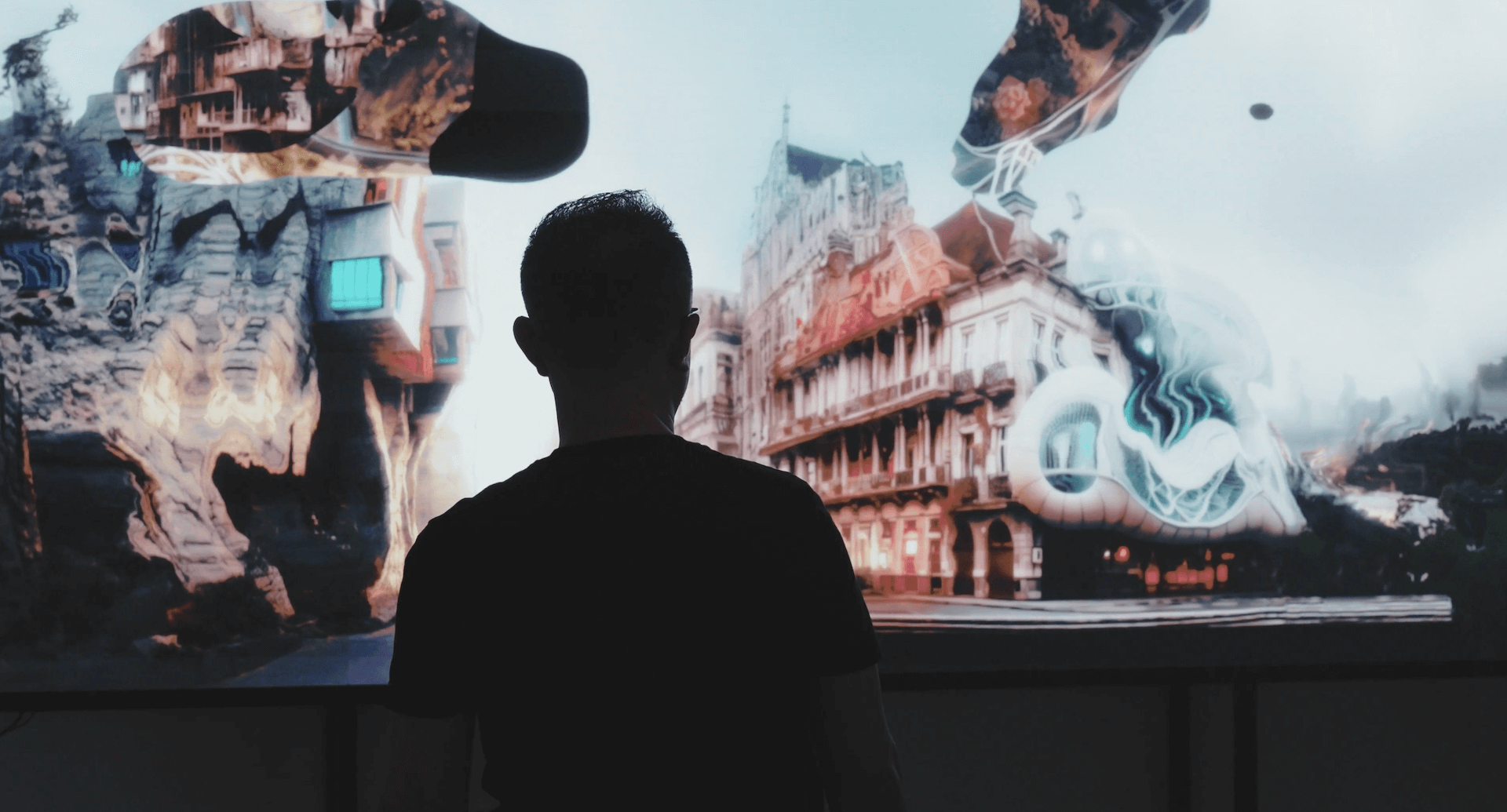
Following the aforementioned concepts, architectural design becomes interwoven with other subjects of our current technological era such as digital media - including audiovisual design, virtual reality, 3D mapping projection, physical computing, and many more. These manifestations of media art and technology penetrate constantly the structure of our build environments and they suggest innovative concepts and ideas. Creative practitioners search for new ways of approaching the design of physical spaces and a large number of projects will demonstrate how architecture and media can be fused together into a modern futuristic intelligent sculpture. Our belief is that this new network of interconnected disciplines will enable us to establish cultural communication that generates the constitution of our real/virtual societies, and we foresee the day that imagination is visualized, ideas are transcribed into musical pieces, and inner emotions vibrate tones of solid structures.

--------------------

Stavros Didakis (PhD cand, MA, BSc)

July 25, 2011